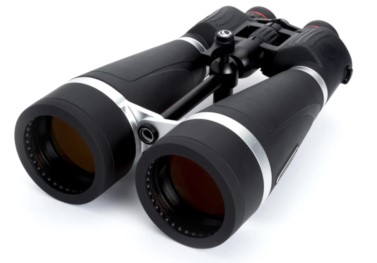
Are you looking for the best long distance binoculars that can bring faraway details into clear, sharp focus without losing brightness or stability?
I know how important it is to see distant wildlife, landscapes, or celestial objects with precision, so I focus on binoculars that combine strong magnification, large objective lenses, and high quality optics for a more immersive viewing experience.
In this guide, I will break down what makes these binoculars effective, highlight the top picks, and walk you through a practical buying guide and FAQs so you can choose the right pair for long range viewing.
See summary of the best long distance binoculars:
- Celestron SkyMaster Pro 20×80: best overall
- Celestron SkyMaster 20×80: best budget
- Celestron SkyMaster Pro ED 20×80: best premium option
- ESSLNB 20×80 Astronomy Binoculars: best for long range astronomy
- Bresser Spezial Astro 20×80: best for sharp edge to edge clarity
- Orion 20×80 Astronomy Binoculars: best for balanced performance
6 Best Long-Distance Binoculars
1) Celestron SkyMaster Pro 20×80
Check Price in Amazon
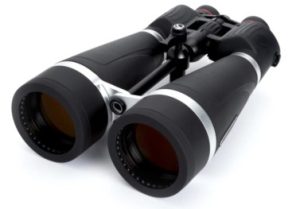
The Celestron SkyMaster Pro 20×80 stands out as one of the best binoculars for long-distance viewing thanks to its powerful combination of high magnification and large objective lenses. Designed for users who want to observe distant subjects with clarity, it delivers an experience that feels closer to using a compact telescope than a typical pair of binoculars. Its 20x magnification allows you to pull faraway objects significantly closer, while the 80mm lenses gather enough light to maintain brightness and detail even at long ranges.
This model is especially effective in situations where distance and visibility matter most. Whether you are scanning landscapes, observing wildlife from afar, or exploring the night sky, the binoculars provide bright, contrast-rich images with impressive sharpness across most of the field of view. The optics are enhanced with multi-coated lenses, which improve light transmission and reduce glare, helping maintain clarity even in low-light conditions.
In terms of build, the binoculars feature a rugged, weather-resistant construction with rubber armoring that protects against external elements. The porro prism design plays a key role in maximizing light intake, which is essential for long-distance viewing. Additional features such as interchangeable eyecups and a built-in tripod adapter improve usability, especially during extended observation sessions. However, due to their size and weight, these binoculars are best used with a tripod rather than handheld.
Performance is where this model truly shines. It is capable of producing bright, detailed images of distant objects with minimal distortion, making it suitable for both daytime long-range viewing and nighttime observation. The immersive viewing experience and ability to capture fine details at great distances make it a strong choice for serious users who prioritize reach and image quality over portability.
Pros
- Excellent long-distance magnification and reach
- Bright, high-contrast images with strong detail
- Large 80mm lenses improve visibility in low light
- Durable, weather-resistant construction
- Tripod compatibility enhances stability for extended use
Cons
- Very heavy and bulky to carry
2) Celestron SkyMaster 20×80
Check Price in Amazon
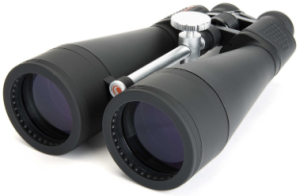
The Celestron SkyMaster 20×80 is widely regarded as one of the best binoculars for long-distance viewing, offering a strong balance between magnification, brightness, and affordability. With its 20x magnification, it brings distant subjects significantly closer, making it ideal for observing landscapes, wildlife, and celestial objects. The large 80mm objective lenses enhance light intake, allowing you to see clearer and brighter images even when viewing subjects far away or in low-light conditions.
One of the key strengths of this model lies in its optical design. It features BaK-4 prisms and multi-coated lenses, which work together to improve contrast and image sharpness while minimizing light loss. This results in clearer views across the field, with better edge definition compared to lower-quality optics. While it does not reach the optical refinement of higher-end models, it still delivers impressive clarity for its category and price range.
The binoculars are built with a porro prism structure, which enhances depth perception and light transmission. This design is especially useful for long-distance viewing, where brightness and detail are critical. The wide field of view also makes it easier to scan large areas, whether you are tracking distant movement or exploring the night sky. Additionally, the long eye relief provides a comfortable viewing experience for users who wear glasses.
In terms of usability, the SkyMaster 20×80 includes a tripod adapter, which is essential given its size and weight. These binoculars are not intended for extended handheld use, and mounting them on a tripod greatly improves stability and viewing comfort. The rubber-armored exterior adds durability and provides a secure grip, making them suitable for outdoor environments.
Performance remains consistent across both terrestrial and astronomical viewing. The binoculars are particularly effective for stargazing, where their light-gathering ability allows you to observe the moon, star clusters, and distant celestial objects with good detail. At the same time, they perform well during daytime use, delivering clear and immersive views of far-off subjects.
Pros
- Strong 20x magnification for long-distance viewing
- Large 80mm lenses provide bright images
- BaK-4 prisms improve clarity and edge sharpness
- Wide field of view for scanning large areas
- Tripod adaptable for stable observation
- Good value for the level of performance
Cons
- Optical quality is lower than premium models
3) Celestron SkyMaster Pro ED 20×80
Check Price in Amazon
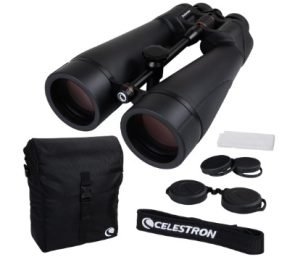
The Celestron SkyMaster Pro ED 20×80 is designed for users who demand exceptional performance when viewing distant subjects. As one of the best binoculars for long distance, it combines powerful 20x magnification with large 80mm objective lenses to deliver bright and detailed images even at extreme ranges. This configuration allows you to observe faraway landscapes, wildlife, or celestial objects with a level of clarity that feels immersive and precise.
A major upgrade in this model comes from its ED glass optics. Extra low dispersion glass significantly reduces chromatic aberration, which means less color fringing and more accurate color reproduction. The result is sharper images with better contrast across the entire field of view. This improvement becomes especially noticeable when observing high contrast subjects or using the binoculars in low light conditions such as dawn, dusk, or nighttime viewing.
The optical system is further enhanced by fully multi coated lenses and XLT coatings, which increase light transmission and reduce reflections. Combined with high quality BaK 4 prisms, the binoculars produce brighter and more detailed images compared to standard models. This makes them highly effective for long distance viewing where maintaining image brightness is critical.
Another key feature is the porro prism design, which improves depth perception and enhances the three dimensional feel of distant subjects. The widely spaced objective lenses contribute to this effect, making images appear more natural and immersive. In addition, the binoculars are compatible with standard 1.25 inch filters, allowing users to enhance contrast, reduce glare, or improve visibility in challenging lighting conditions.
In terms of build quality, the SkyMaster Pro ED 20×80 features a durable, rubber armored body that protects against wear and environmental exposure. It is nitrogen filled and waterproof, which adds reliability during outdoor use. The binoculars also offer generous eye relief and adjustable eyecups, ensuring comfortable viewing for both eyeglass and non eyeglass users. Due to their size and weight, they are best used with a tripod, which helps maintain image stability during extended observation sessions.
Pros
- ED glass improves sharpness and reduces color fringing
- Bright and detailed images with strong contrast
- Excellent performance in low light conditions
- Durable waterproof and nitrogen filled construction
- Compatible with filters for enhanced viewing flexibility
- Comfortable for eyeglass wearers
Cons
- Large and heavy for portable use
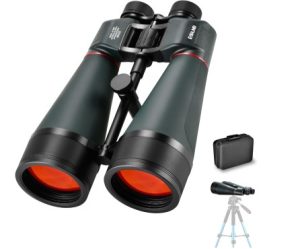
4) ESSLNB 20×80 Astronomy Binoculars
Check Price in Amazon
The ESSLNB 20×80 Astronomy Binoculars are a strong contender for long-distance viewing, especially for users who want powerful magnification without a high price. With 20x magnification, these binoculars bring distant subjects much closer, making them suitable for both land-based observation and stargazing. The large 80mm objective lenses play an important role by gathering more light, which helps produce brighter and clearer images even when viewing faraway objects or in low-light conditions.
Image quality is one of the key strengths of this model. The combination of multi coated lenses and BaK-4 prisms improves light transmission and enhances contrast, allowing for clearer and more detailed views. This makes a noticeable difference when observing distant landscapes, wildlife, or celestial objects. The wide field of view also helps when scanning large areas, giving users a more immersive viewing experience.
In terms of design, the binoculars are built with a rugged and waterproof exterior, which makes them suitable for outdoor use in different weather conditions. The rubber armored housing provides a secure grip and adds durability for long-term use. Despite their large size, they are designed to be relatively portable and often come with a carrying bag, making them easier to transport for travel or outdoor activities.
Ease of use is another advantage. The binoculars include a built-in tripod adapter, which is essential for maintaining a steady image during extended viewing sessions. While they can be used handheld for short periods, a tripod greatly improves stability and reduces strain. The central focus system allows for quick adjustments, helping users achieve sharp and clear images with minimal effort.
Performance remains consistent across different viewing conditions. These binoculars are particularly effective for beginners or casual users who want reliable long-distance performance without investing in premium models. They deliver bright and detailed images at a distance, making them a practical choice for outdoor observation and night sky viewing.
Pros
- Strong 20x magnification for long distance viewing
- Large 80mm lenses improve brightness and clarity
- Wide field of view for scanning distant areas
- Waterproof and durable construction
- Tripod adapter included for stable viewing
- Good value for the level of performance
Cons
- Heavy for extended handheld use
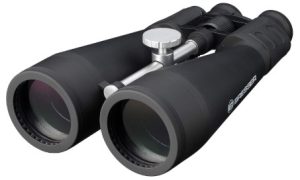
5) Bresser Spezial-Astro 20×80
Check Price in Amazon
The Bresser Spezial-Astro 20×80 is a strong option for long-distance viewing, combining high magnification with impressive light gathering ability. With 20x magnification, it brings distant subjects into clear focus, making it suitable for observing landscapes, wildlife, and astronomical objects. The large 80mm objective lenses allow more light to enter the system, producing bright images that remain usable even in dim lighting conditions or when viewing faraway targets.
Image quality is one of the key strengths of this model. The binoculars feature fully multi coated optics and BaK-4 prisms, which improve light transmission and enhance contrast. This results in sharp and clear visuals across most of the field of view. The optical design also helps reduce stray light and ghosting, which is especially useful when observing bright objects or high contrast scenes.
Another important aspect is its edge-to-edge clarity. The optical system is designed to maintain consistent sharpness across the image, allowing users to scan large areas without significant distortion at the edges. This makes it easier to track distant objects or observe wide landscapes with better visual consistency.
In terms of usability, the binoculars include a central focus system along with diopter adjustment, allowing users to fine tune the image for clear viewing. Foldable rubber eyecups make them suitable for eyeglass wearers, ensuring a comfortable experience during extended use. The wide field of view combined with adjustable features makes these binoculars versatile for both daytime and nighttime observation.
The build quality is solid, with a durable body and integrated tripod mount. Due to the size and weight, tripod use is highly recommended to achieve stable viewing at 20x magnification. Once mounted, the binoculars provide a steady and immersive viewing experience, which is essential for long-distance observation.
Pros
- Strong 20x magnification for long distance viewing
- Bright images with good contrast
- Fully multi coated optics improve clarity
- Reduced glare and ghosting for better visibility
- Comfortable for eyeglass wearers
- Tripod adaptable for stable viewing
Cons
- Requires a tripod for best performance
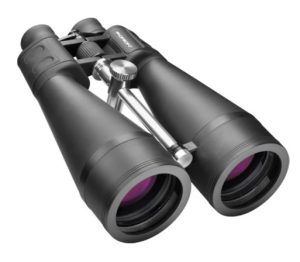
6) Orion 20×80 Astronomy Binoculars
Check Price in Amazon
The Orion 20×80 Astronomy Binoculars are a reliable choice for long-distance viewing, offering a strong mix of magnification, brightness, and usability. With 20x magnification, these binoculars bring faraway subjects into clear view, making them suitable for observing distant landscapes, wildlife, and celestial objects. The large 80mm objective lenses allow more light to enter, producing bright and detailed images even when viewing at extended ranges or in low-light conditions.
Image quality is a key strength of this model. The binoculars feature fully multi coated optics combined with BaK-4 porro prisms, which improve light transmission and enhance contrast. This results in clearer, sharper images with good detail across most of the field of view. The optics are capable of delivering high contrast views, making them especially effective for picking out distant objects against darker backgrounds such as the night sky.
Another important feature is the comfortable viewing experience. With around 17mm of eye relief and fold down eyecups, these binoculars are suitable for users who wear glasses. The center focus mechanism allows for quicker adjustments compared to individual focus systems, making it easier to switch between different viewing distances. This adds convenience for users who plan to use the binoculars for both daytime and nighttime observation.
In terms of construction, the binoculars feature a rubber armored body that provides protection against minor impacts and helps improve grip. They are designed with a built-in tripod adapter and a sturdy central support bar, which makes mounting easier and more secure. Due to their size and weight, tripod use is strongly recommended for stable viewing, especially during extended sessions.
Performance remains consistent across different use cases. These binoculars are particularly well suited for astronomy, where their light gathering ability and contrast help reveal star clusters and other distant celestial objects. At the same time, they can be used for long-distance terrestrial viewing, offering clear and immersive visuals when observing faraway subjects.
Pros
- Strong 20x magnification for long distance viewing
- Bright and high contrast images
- Fully multi coated optics improve clarity
- Comfortable eye relief for eyeglass wearers
- Center focus system allows quick adjustments
- Tripod adaptable for stable observation
Cons
- Build quality is good but not premium
Factors to Consider When Choosing The Best Binoculars For Long Distance
Magnification Power
Magnification determines how much closer distant objects will appear. For long-distance viewing, higher magnification such as 15x or 20x is typically preferred because it allows you to observe fine details that would otherwise be invisible. However, increasing magnification also makes image stability more challenging, so it is important to balance power with usability. Extremely high magnification may require additional support to maintain a steady view.
Objective Lens Size
The size of the objective lens affects how much light the binoculars can gather. Larger lenses, such as 70mm or 80mm, are better suited for long-distance viewing because they produce brighter images and improve visibility in low-light conditions. This is especially useful when observing at dawn, dusk, or over long distances where light can be limited.
Optical Quality and Coatings
High-quality optics play a major role in image clarity and sharpness. Features such as fully multi coated lenses and high-grade prisms improve light transmission, reduce glare, and enhance contrast. Better coatings result in clearer images with more accurate colors, which becomes increasingly important when viewing distant subjects.
Image Stability and Tripod Compatibility
As magnification increases, even small hand movements can cause noticeable shaking. For long-distance binoculars, stability is essential to maintain a clear image. Models that support tripod mounting provide a more stable and comfortable viewing experience, especially during extended observation sessions.
Build Quality and Durability
Long-distance viewing often takes place outdoors, so binoculars should be able to withstand environmental conditions. Durable construction with protective housing helps prevent damage from drops or rough handling. Features such as water resistance and fog proofing add reliability when using the binoculars in different weather conditions.
Field of View
Field of view refers to how wide an area you can see through the binoculars. While higher magnification often reduces the field of view, a wider field can make it easier to locate and track distant subjects. This is particularly helpful when scanning large landscapes or following moving objects.
Eye Relief and Viewing Comfort
Comfort is an important factor, especially for extended use. Adequate eye relief allows users to see the full field of view without straining their eyes, which is particularly beneficial for those who wear glasses. Adjustable eyecups and ergonomic design also contribute to a more comfortable viewing experience.
Weight and Portability
Binoculars designed for long-distance viewing tend to be larger and heavier due to their powerful optics. While this improves performance, it can affect portability and ease of use. It is important to consider how and where the binoculars will be used, and whether carrying heavier equipment or using a tripod fits your needs.
Best Binoculars For Long Distance FAQs
What magnification is best for long-distance binoculars?
For long-distance viewing, magnification levels between 15x and 20x are generally ideal. They provide enough power to see fine details at great distances while still maintaining usable image quality. Higher magnification can bring objects even closer, but it often requires a tripod to keep the image steady.
Do I need a tripod for long-distance binoculars?
In most cases, yes. High magnification makes even small hand movements noticeable, which can lead to a shaky image. Using a tripod helps stabilize the binoculars, making it easier to observe distant subjects clearly and comfortably for longer periods.
Are larger lenses better for long-distance viewing?
Larger objective lenses improve light gathering, which results in brighter and clearer images. This is especially important when viewing distant objects or using binoculars in low-light conditions. However, larger lenses also increase size and weight, so there is a trade-off between performance and portability.
Can long-distance binoculars be used for both daytime and night viewing?
Yes, many long-distance binoculars perform well in both conditions. During the day, they provide clear and detailed views of distant landscapes or wildlife. At night, their light-gathering ability allows for effective stargazing and viewing of celestial objects, although results depend on optical quality and lens size.
Conclusion
Long-distance binoculars transform the way you experience the world, pulling faraway scenes into sharp, vivid focus with a sense of depth that feels almost cinematic.
What makes them truly compelling is their ability to bridge distance without losing clarity, allowing you to explore details that would otherwise remain hidden.
For anyone drawn to seeing beyond the obvious, these binoculars offer a powerful blend of reach, brightness, and visual presence that turns distant moments into something immediate and memorable.
See Also: