Do you want to buy the best binoculars for theater that let you catch every subtle expression, costume detail, and stage movement with crystal clarity?
I have explored options designed specifically for close-range viewing in low-light auditorium settings, where comfort, compact size, and smooth handling matter just as much as optical quality.
The right pair enhances immersion without distraction, helping you stay fully connected to every moment of the performance whether you are seated in the balcony or closer to the stage.
In this guide, I will cover the key features, share the top picks, provide a practical buying guide, and answer common questions to help you choose confidently.
See summary of the best binoculars for theater:
- Best overall: Eschenbach Glamour 3×25
- Best compact option: Carson 4×10 Operaview
- Best budget: Kenko Pliant 3×25 Slim
- Best classic design: Levenhuk Broadway 325N
- Best hands-free option: Senmonus Hands-Free Glasses
- Best for long-range seating: Vanguard Vesta 8×21
- Best high magnification alternative: Nikon Aculon T02 10×21
- Best ultra-portable: Nikon 4x10D CF
8 Best Binoculars For Theater
1) Eschenbach Glamour 3×25

Check Price in Amazon
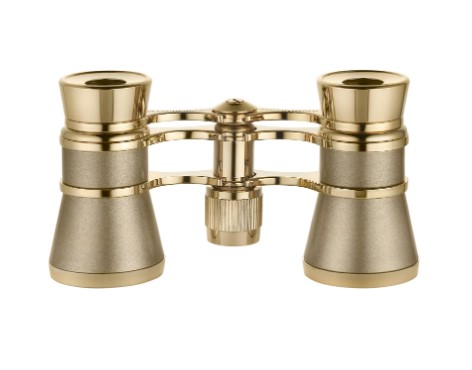
The Eschenbach Glamour 3×25 is widely regarded as one of the best binoculars for theater, offering a thoughtful balance between elegance and functionality. With its 3x magnification and 25mm objective lenses, it brings performers closer while still preserving a wide view of the stage. This makes it particularly effective for following both individual expressions and group performances without constantly adjusting your position.
Its construction reflects a premium approach. Built with a durable metal body, it feels solid and refined in hand while remaining lightweight at about 154 grams. This makes it easy to hold throughout an entire performance without fatigue. The compact form factor ensures it fits easily into a small bag or pocket, making it a convenient companion for theater, opera, or concerts.
The viewing experience is well suited to indoor environments. The lower magnification helps maintain image stability and a wider field of view, which is essential when watching a live performance. The optics deliver a bright and clear image even in dim lighting, and the central focus wheel allows for smooth adjustments. Interpupillary distance can also be adjusted, ensuring a comfortable fit for different users.
Aesthetic appeal is another defining aspect. The binoculars feature a classic, decorative design that complements formal settings like theaters and opera houses. Accessories such as a carrying case and neck chain add both practicality and a sense of sophistication, making them suitable for users who value both style and performance.
Pros
- Compact and lightweight for easy handling
- Solid metal construction with premium feel
- Clear and bright image in low-light conditions
- Wide field of view suited for stage performances
- Adjustable eye spacing for personalized comfort
- Elegant design with useful accessories
Cons
- Limited magnification for very distant seating
2) Carson 4×10 Operaview
Check Price in Amazon
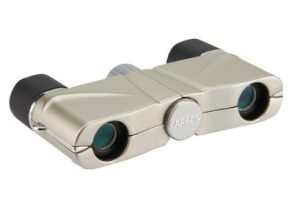
The Carson 4×10 Operaview is a practical and highly portable option for theatergoers who want a simple way to enhance their view without carrying bulky optics. With 4x magnification and a 10mm objective lens, it provides just enough zoom to bring performers closer while maintaining a comfortable and natural viewing experience. This level of magnification works well indoors, helping you see facial expressions and stage details without introducing excessive image shake.
One of its most appealing qualities is its compact size. Weighing only about 2.2 ounces, these binoculars are extremely lightweight and easy to carry, making them ideal for slipping into a pocket or small bag. Their discreet design allows for quick use during performances without drawing attention, which is especially useful in formal theater settings.
The optics are designed for close to mid-range viewing, which aligns perfectly with typical theater distances. Fully coated lenses and BK-7 prisms help deliver a clear and bright image, even under dim lighting conditions. The wide field of view also allows you to follow the action across the stage rather than focusing on a narrow section, creating a more immersive experience.
Ease of use is another advantage. The binoculars feature a focus-free system, meaning you can quickly raise them and start viewing without adjusting settings. A minimum focus distance of about five feet ensures that nearby details remain sharp as well. This simplicity makes them a convenient choice for casual users or anyone who prefers a no-fuss viewing experience during live performances.
In terms of design, the Carson Operaview leans toward a modern, understated look rather than ornate styling. While it may not have the decorative appeal of traditional opera glasses, it prioritizes function and portability. This makes it especially appealing for users who value practicality and convenience over aesthetics.
Pros
- Extremely lightweight and pocket-sized
- Easy to use with focus-free operation
- Clear image suitable for indoor lighting
- Wide field of view for full stage visibility
- Affordable compared to many theater binoculars
Cons
- Smaller objective lenses limit brightness in very low light
3) Kenko Pliant 3×25 Slim
Check Price in Amazon
The Kenko Pliant 3×25 Slim is a compact and budget-friendly option that earns its place among the best binoculars for theater by focusing on simplicity and portability. With 3x magnification and 25mm objective lenses, it provides a modest boost in viewing distance that works well for indoor performances. This level of magnification is most effective when you are seated closer to the stage, where it helps reveal facial expressions and finer details without narrowing your overall view.
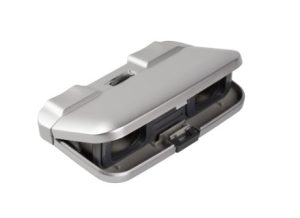
Its defining feature is the foldable, clamshell-style design. Unlike traditional opera glasses, this model collapses into a flat shape that is slimmer than a pack of playing cards, making it extremely easy to carry in a pocket or small purse. Weighing only about 65 grams, it is one of the lightest options available, which makes it comfortable to hold throughout an entire performance without strain.
In terms of usability, the binoculars include a central focus wheel that allows you to adjust the image for clarity. Once set, the view is reasonably sharp for short to mid-range distances. The optics deliver adequate brightness for indoor environments, and the simple design keeps operation straightforward. However, the field of view is somewhat limited, and the magnification may feel insufficient if you are seated far from the stage.
The build leans toward practicality rather than luxury. The plastic construction keeps the weight low and the cost affordable, though it does not provide the same premium feel as metal alternatives. The pop-up mechanism, which opens the binoculars into viewing position, can feel stiff and requires a bit of effort to operate. Despite this, the overall design remains functional and well suited for casual use.
Pros
- Ultra-slim foldable design for easy storage
- Very lightweight and comfortable to carry
- Affordable price suitable for beginners
- Simple operation with basic focus adjustment
- Adequate clarity for close to mid-range theater seating
Cons
- Limited magnification for distant seats
4) Levenhuk Broadway 325N
Check Price in Amazon
The Levenhuk Broadway 325N is a refined choice among the best binoculars for theater, combining classic styling with practical features tailored for indoor performances. With 3x magnification and 25mm objective lenses, it offers a comfortable viewing experience that enhances stage details without narrowing your perspective. This makes it well suited for following both individual actors and broader stage movement during plays, operas, or concerts.
Optically, the binoculars are equipped with fully multi coated BaK 4 glass elements, which help deliver bright and clear images even in dim theater lighting. The wide field of view allows you to take in more of the stage at once, while the central focusing system ensures you can quickly adjust for sharpness. An adjustable interpupillary distance also improves comfort, making it easier for different users to achieve a proper fit.
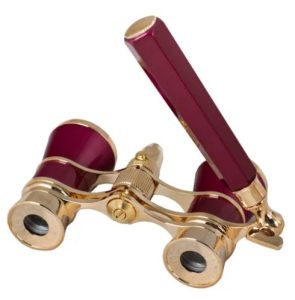
One of the defining characteristics of this model is its lorgnette style design. The telescopic handle provides a more relaxed viewing position, allowing you to hold the binoculars steadily without raising both hands to your face. This design adds a touch of vintage elegance while also improving usability during longer performances. The metal body enhances durability and gives the binoculars a polished, high end appearance that fits well in formal settings.
A practical addition is the built in LED light, which can be useful in dark theater environments. It helps you find your seat, read a program, or navigate low light areas without relying on external light sources. While this feature is not essential for viewing, it adds convenience that many theatergoers will appreciate. The binoculars also come with a pouch and cleaning cloth, making them easy to carry and maintain.
Pros
- Elegant metal construction with classic design
- Clear and bright image suitable for low light
- Comfortable telescopic handle for steady viewing
- Built in LED light adds practical convenience
- Adjustable eye spacing for better fit
- Wide field of view for full stage coverage
Cons
- Heavier than ultra compact theater binoculars
5) Senmonus Hands-Free Glasses
Check Price in Amazon
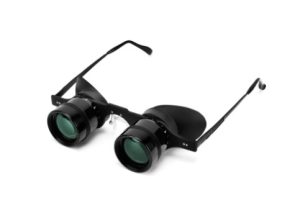
The Senmonus Hands-Free Glasses offer a completely different approach to theater binoculars, focusing on convenience and usability rather than traditional handheld design. Built as wearable spectacles with integrated binocular lenses, they allow you to enjoy a performance without holding anything in your hands. This makes them especially useful in theater settings where you may want to clap, take notes, or simply relax without constantly lifting binoculars to your eyes.
With 3x magnification and a relatively large objective lens size, these glasses provide a clear and stable view suited for indoor performances. The optics include multi coated lenses with a green film, which helps improve brightness and clarity in low light environments. This is important in theaters where lighting can shift dramatically during a show. The image remains wide and easy to follow, allowing you to stay engaged with the full stage while still picking out finer details.
Comfort is a key part of the design. The glasses feature adjustable nose pads and flexible arms, making it easier to achieve a secure fit for different face shapes. Weighing around 0.15 pounds, they are lightweight enough for extended use, though the front section can feel slightly heavier due to the built in lenses. Once properly adjusted, they sit steadily and reduce the need for constant repositioning during a performance.
Another advantage is versatility. These glasses are not limited to theater use and can also be used for concerts, sports events, or outdoor activities. Their compact and wearable design makes them easy to carry and quick to use, which adds to their appeal for users who prefer a more modern and unconventional viewing solution.
Pros
- Hands-free design allows full freedom during performances
- Lightweight and comfortable for extended wear
- Clear and bright image with good low light performance
- Adjustable fit for different users
- Wide view suitable for stage observation
Cons
- Front-heavy feel may take time to get used to
6) Vanguard Vesta 8×21
Check Price in Amazon
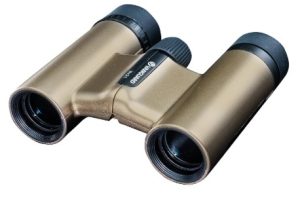
The Vanguard Vesta 8×21 offers a different experience compared to traditional theater binoculars by providing higher magnification in a compact, portable design. With 8x magnification and 21mm objective lenses, it brings distant stage details much closer, making it especially useful for balcony or back-row seating. While most theater binoculars stay in the 3x to 5x range, this model gives you extra reach without becoming bulky.
Despite its increased power, the binocular remains lightweight and easy to carry. Weighing under 200 grams and measuring just a few inches in size, it fits comfortably into a pocket or small bag. This makes it a convenient option for theatergoers who want stronger magnification without sacrificing portability. The aluminum alloy body also adds durability and a more refined feel compared to basic plastic models.
Optically, the Vesta 8×21 uses multi coated lenses to improve light transmission, contrast, and color clarity. The image quality is generally clear and detailed, especially in well lit environments. A wide field of view helps you follow action across the stage, while the center focus wheel allows for smooth adjustments. Features like twist up eyecups and diopter adjustment improve comfort and usability for different users, including those who wear glasses.
However, the higher magnification comes with trade offs. The smaller 21mm objective lenses limit brightness in dim theater lighting, and the stronger zoom can make the image slightly harder to keep steady during prolonged viewing. While it works well for seeing fine details from a distance, it may feel less relaxed compared to lower magnification opera glasses.
In terms of design, the binocular maintains a modern and understated look. Its slim roof prism construction keeps it discreet and easy to handle, making it suitable for both formal theater settings and casual events like concerts or outdoor performances.
Pros
- Higher magnification brings distant stage details closer
- Compact and lightweight for easy portability
- Durable aluminum construction with refined finish
- Clear image with good color and contrast in bright conditions
- Smooth focusing and adjustable eyecups for comfort
Cons
- Reduced brightness in low light environments
7) Nikon Aculon T02 10×21
Check Price in Amazon
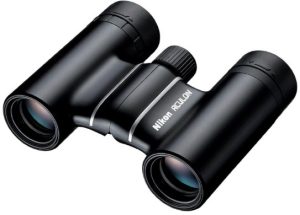
The Nikon Aculon T02 10×21 is a strong contender among the best binoculars for theater, especially for those seated farther from the stage. With 10x magnification and 21mm objective lenses, it offers significantly more reach than traditional opera glasses, allowing you to capture fine details such as facial expressions and costume textures from a distance. This makes it particularly useful for balcony seating or large venues where standard low magnification models may fall short.
Portability is one of its biggest advantages. Weighing just about 195 grams, the binocular is lightweight and compact enough to fit comfortably in your hand or pocket. Its slim, single hinge design gives it a modern and streamlined look, making it easy to carry discreetly into theaters or events. Despite its small size, it feels sturdy and well built, offering a good balance between durability and convenience.
Optically, the Aculon T02 uses multilayer coated lenses to improve light transmission and enhance image clarity. In well lit environments, the image appears sharp with decent contrast, making it suitable for concerts, plays, and other indoor performances. The central focus system is smooth and easy to operate, and the turn and slide rubber eyecups help you position your eyes comfortably for a clear view.
However, the higher magnification and smaller objective lenses introduce some limitations. The 21mm lenses reduce brightness in dim lighting, which can be noticeable in darker theater scenes. Additionally, the 10x zoom can make the image slightly harder to stabilize during extended viewing, especially without support. These trade offs are common in compact, high magnification binoculars and are worth considering depending on your seating position.
Pros
- Powerful magnification for distant seating
- Compact and lightweight for easy portability
- Clear image with good detail in well lit conditions
- Smooth central focusing system
- Modern and stylish design
Cons
- Reduced brightness in low light environments
8) Nikon 4x10D CF
Check Price in Amazon
The Nikon 4x10D CF is a unique entry among the best binoculars for theater, designed with one clear priority in mind: portability. With 4x magnification and 10mm objective lenses, it provides a modest level of zoom that enhances stage visibility while maintaining a natural and stable viewing experience. This magnification works well in theater environments, offering just enough detail to see expressions and movements without making the image difficult to control.
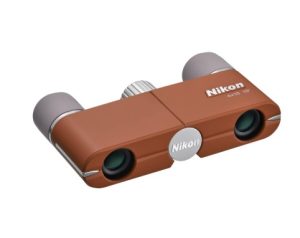
Its most defining characteristic is its size. Measuring only about 19mm thick and weighing just 65 grams, it is the thinnest and lightest binocular Nikon has produced. This ultra-slim profile allows it to fit easily into a pocket, clutch, or small bag, making it ideal for formal events where carrying larger optics may feel inconvenient. The flat, minimalist design also makes it discreet to use during performances without drawing attention.
Despite its compact form, the binocular includes multilayer coated lenses and prisms that help improve brightness and contrast. The image is generally clear and sharp in well-lit conditions, and the wide field of view allows you to follow the action across the stage comfortably. A central focus system simplifies operation, while the absence of a diopter adjustment reduces complexity, making it easy to use even for beginners.
Another practical advantage is its close focusing distance of around 1.2 meters, which makes it useful not only for theater but also for museums and exhibitions. The elegant exterior design, available in multiple color options, adds a refined touch that suits formal settings. However, the compact design also introduces some limitations. The small objective lenses reduce brightness, which can be noticeable in dimly lit scenes, and the lightweight build may feel less premium compared to heavier models.
Pros
- Extremely slim and lightweight for maximum portability
- Discreet design suitable for theater use
- Simple operation with central focusing
- Clear image in well-lit environments
- Wide field of view for stage visibility
- Elegant design with multiple color options
Cons
- Limited brightness in low light conditions
Factors to Consider When Choosing The Best Binoculars For Theater
Magnification
Magnification determines how much closer the stage appears, and for theater use, lower levels are usually more effective. A range between 3x and 5x provides a comfortable balance between detail and stability. Higher magnification may seem appealing, but it can make the image harder to keep steady and reduce your overall view of the stage. Choosing the right level ensures you can follow both individual expressions and the full performance without constant adjustments.
Objective Lens Size
The size of the objective lenses affects how much light the binoculars can gather. In a theater setting where lighting is often dim or variable, slightly larger lenses can help produce a brighter and clearer image. However, larger lenses also add bulk, so a balance between brightness and portability is important for comfortable indoor use.
Field of View
A wide field of view allows you to see more of the stage at once, which is essential for enjoying live performances. Instead of focusing on a narrow area, you can follow movement, choreography, and interactions across the entire scene. A restricted view can make it harder to stay engaged, especially during dynamic performances with multiple actors on stage.
Size and Portability
Theater binoculars should be easy to carry and discreet to use. Compact and lightweight designs are ideal since they can fit into a pocket or small bag without inconvenience. Bulky binoculars may feel out of place in a theater setting and can become uncomfortable to hold during long performances.
Ease of Use
Simple operation is crucial in a live performance environment. Binoculars with intuitive focusing systems or even focus-free designs allow you to quickly raise them and start viewing without missing important moments. Complicated adjustments can interrupt your experience and draw attention in a quiet setting.
Comfort and Ergonomics
Comfort plays a major role, especially during extended use. Features such as adjustable eye spacing, smooth focus controls, and a comfortable grip help reduce strain. If the binoculars are not comfortable to hold or use, you may find yourself putting them down frequently instead of fully enjoying the performance.
Build Quality and Design
The construction and overall design influence both durability and user experience. Materials like metal offer a more solid feel, while lightweight materials improve portability. In addition, the design should suit the setting, whether you prefer a classic, elegant look or a modern, minimal style that blends in during performances.
Low-Light Performance
Since theaters often have dim lighting or dramatic lighting changes, good low-light performance is essential. Binoculars with quality optics and proper coatings help maintain brightness and clarity even in darker scenes. Without this capability, images may appear dull or difficult to see, reducing the overall viewing experience.
Best Binoculars For Theater FAQs
What magnification is best for theater binoculars?
Lower magnification is generally ideal for theater use, typically between 3x and 5x. This range provides enough detail to see facial expressions while maintaining a wide and stable view of the stage. Higher magnification can make the image shakier and limit your ability to follow the full performance.
Are compact binoculars suitable for theater use?
Yes, compact binoculars are often the best choice for theater settings. Their lightweight and portable design makes them easy to carry and discreet to use during a performance. They also tend to be more comfortable to hold for extended periods compared to larger models.
Do theater binoculars work well in low light conditions?
Theater binoculars are designed to perform reasonably well in dim lighting, but their effectiveness depends on lens quality and coatings. Models with good light transmission can provide a brighter and clearer image, even during darker scenes. However, very small lenses may struggle in extremely low light.
Is a focus-free design better for theater binoculars?
Focus-free binoculars can be convenient because they allow instant viewing without adjustments, which is useful during live performances. However, models with a focus wheel may offer sharper images since you can fine-tune clarity based on your seating distance. The choice depends on whether you prefer simplicity or more control over image sharpness.
Conclusion
The best binoculars for theater do more than simply bring the stage closer they reshape how you experience a live performance.
Subtle glances, intricate costumes, and quiet emotional moments become vivid and personal, even from a distance.
The result is a richer, more intimate connection to the performance, where every scene feels sharper, more engaging, and far more memorable.
See Also: