
When I first started exploring the best Thermal Imaging Cameras for Home Inspection, I quickly realized how much these tools can transform the way we detect and diagnose hidden problems in a building. Whether you are a professional home inspector or a homeowner who wants to take a more proactive approach to property maintenance, a good thermal imaging camera gives you the power to see what the naked eye simply cannot.
From insulation gaps and air leaks to moisture intrusion and overheating electrical components lurking behind walls and ceilings, these devices reveal issues before they become expensive disasters. What impresses me most about the best options available today is how far the technology has come. We now have cameras that combine high thermal resolution, intelligent image enhancement, rugged durability, and wireless connectivity all in one handheld device.
In this review, I will walk you through everything you need to make a confident buying decision. I will break down the key features to look for, share my top picks across different budgets and use cases, guide you through a practical buying checklist, and answer the most frequently asked questions. By the end, you will know exactly which thermal imaging camera is the right fit for your home inspection needs.
See summary of the Best Thermal Imaging Cameras for Home Inspection:
- FLIR TG267 Thermal Imaging Camera — Best for Field Durability
- Klein Tools TI250 Rechargeable Thermal Imaging Camera — Best for Usability
- Handheld Thermal Camera — Best Overall
- F2W Thermal Imaging Camera — Best for Image Clarity
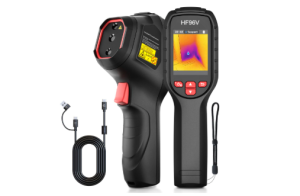
- HF96V Thermal Camera — Best for Automatic Fault Detection
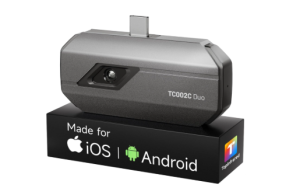
- TOPDON TC002C Duo Thermal Camera — Best Budget Option
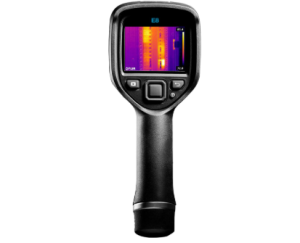
- FLIR E8-XT Commercial Thermal Imaging Camera — Best Premium Option
- FLIR TG165-X Thermal Imaging Camera — Best for Beginners
Best Thermal Imaging Cameras for Home Inspection
1. FLIR TG267 Thermal Imaging Camera
Check Price in Amazon
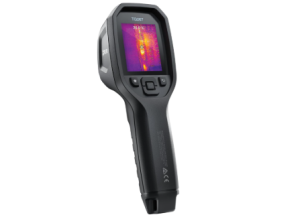
FLIR TG267 Thermal Imaging Camera is designed for users who need a dependable way to identify temperature differences during home inspections. It delivers a thermal resolution of 19,200 pixels and measures temperatures from minus 25°C to 380°C. This range allows you to detect both cold and hot spots across building surfaces. In practice, this helps reveal insulation gaps, air leaks, moisture issues, and overheating electrical components.
The imaging system uses MSX technology to improve clarity by blending visible light details with thermal images in real time. This makes edges and shapes easier to recognize. As a result, thermal patterns become more understandable, especially when inspecting walls, ceilings, and HVAC systems. You can more easily locate problem areas without relying only on abstract thermal colors.
A built in laser pointer helps indicate the exact area being measured. This improves accuracy when taking readings from a distance or in tight spaces. The camera also features a simple display that presents images and readings clearly. This allows quick interpretation during inspections without navigating complex controls. It supports efficient movement from one inspection point to another.
The camera is built to handle regular field use. It has a rugged design with an IP54 rating that protects against dust, dirt, and oil. It is also drop tested for added durability. The included accessories such as the wrist strap, pouch, USB cable, and temperature probe make it convenient to carry and use on site. Combined with its warranty coverage, it offers reliability for professionals who perform frequent home inspections.
Pros
- Clear thermal imaging with good resolution for inspection tasks
- MSX technology improves image clarity with added visual detail
- Wide temperature range suitable for home and building inspections
- Laser pointer helps improve measurement accuracy
Cons
- Frame rate is lower compared to higher end professional models
2. Klein Tools TI250 Thermal Imaging Camera
Check Price in Amazon
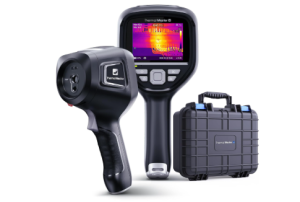
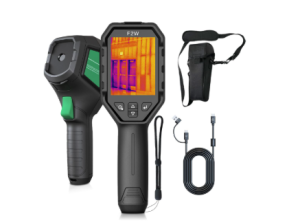
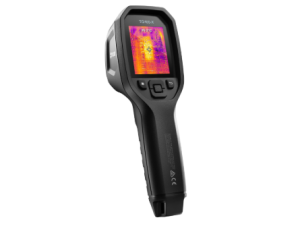
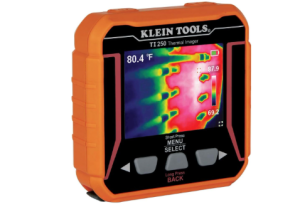
The FLIR TG165-X is one of the best Thermal Imaging Cameras for Home Inspection. It helps you quickly locate hot and cold spots for electrical faults, mechanical issues, and HVAC problems. The camera measures temperatures from minus twenty-five to three hundred degrees Celsius, or minus thirteen to five hundred seventy-two degrees Fahrenheit. Its four thousand eight hundred pixel infrared detector provides clear thermal imaging. MSX technology overlays visual details on the thermal image, making edges, outlines, and labels easier to identify. A bullseye laser pointer ensures you target the correct measurement area every time.
The camera is built to handle tough environments. It has a drop-tested design and an IP fifty-four enclosure that protects it from dust, dirt, and oil. The internal storage can hold up to fifty thousand images, and a rechargeable lithium-ion battery supports extended inspections. These features allow you to work efficiently without interruptions. The FLIR TG165-X also comes with a two to ten year warranty, covering parts and labor on the camera and extended coverage for the detector.
Inspections are faster and easier with this device. MSX image enhancement provides real-time visible detail on thermal images. You can identify components, labels, and problem areas with greater clarity. Easy-to-use buttons let you capture images quickly. The camera visually highlights hot, cold, and critical temperature points to guide your diagnostics. This makes it easier to locate issues and complete home inspections efficiently.
The FLIR TG165-X combines clear thermal imaging, accurate temperature measurement, and a laser pointer for precision. Its compact size, rugged build, and enhanced imaging features make it a reliable tool for home inspectors and professionals alike. The camera is ready to use straight out of the box for a wide range of heat-related applications.
Pros
- Clear thermal imaging for quick inspections.
- MSX technology adds visible details to images.
- Wide temperature range detects most home issues.
- Laser pointer improves targeting accuracy.
- Rugged design withstands dust, dirt and drops.
Cons
- Export restrictions prevent certain military uses.
Next read: 7 Best 8×42 Binoculars
Advantages of Using Thermal Imaging Cameras for Home Inspection
Detect Hidden Issues Quickly
Thermal imaging cameras allow you to see temperature variations that are invisible to the naked eye. This makes it easier to detect hidden problems such as insulation gaps, air leaks, moisture intrusion, and overheating electrical components. Inspectors can identify these issues early, which saves time and prevents more costly repairs in the future. By visualizing heat differences, you get a clear picture of potential problem areas across walls, ceilings, floors, and electrical systems.
Increase Accuracy of Inspections
These cameras provide precise temperature measurements across a wide range, often from below freezing to over one thousand degrees Fahrenheit. Advanced features like adjustable emissivity, multiple point measurements, and high thermal sensitivity ensure accurate readings on different materials such as drywall, metal, wood, and glass. Accurate readings reduce guesswork and allow home inspectors to make informed decisions, improving the reliability of their reports.
Improve Efficiency and Productivity
Using a thermal camera speeds up inspections significantly. You can scan large areas quickly and instantly identify hot or cold spots without physically touching surfaces. Many cameras also include features like laser pointers, multiple color palettes, and real-time thermal image enhancements, allowing inspectors to focus on problem areas immediately. This efficiency reduces inspection time while maintaining a high level of thoroughness.
Enhance Documentation and Reporting
Most modern thermal cameras allow you to capture images and videos, store them internally, or transfer them via Wi-Fi or USB for reporting purposes. Cloud connectivity and apps make it easy to share images with clients or team members. Clear thermal images combined with visual overlays, such as MSX technology, make reports more understandable and professional. This helps clients see the issues clearly and improves the credibility of your inspection services.
Work Safely and Remotely
Thermal imaging cameras are non-contact devices, which means you can measure temperature and detect anomalies from a safe distance. This reduces the need to touch potentially dangerous surfaces like electrical panels, hot pipes, or mechanical equipment. The ability to work remotely from a few feet away also minimizes risk during inspections while allowing access to tight or hard-to-reach spaces.
Factors to Consider when Choosing the Best Thermal Imaging Cameras for Home Inspection
Thermal Resolution
Thermal resolution determines how clearly the camera can capture temperature differences. A higher resolution allows you to see smaller details and subtle variations in heat, making it easier to detect insulation gaps, moisture leaks, or electrical hotspots. Choosing a camera with sufficient thermal resolution ensures that images are sharp and that small anomalies are not overlooked during inspections.
Temperature Range
The temperature range defines the lowest and highest temperatures the camera can measure accurately. A wider range allows the camera to be used in diverse environments and applications, from cold storage inspections to electrical or HVAC systems that generate significant heat. Selecting a camera with an appropriate temperature range ensures accurate detection of anomalies across different surfaces and conditions.
MSX or Image Enhancement Technology
Image enhancement features, such as overlaying visible light details on thermal images, improve clarity and comprehension. These technologies help identify edges, labels, and components more easily, making it simpler to understand what the thermal patterns represent. Cameras with image enhancement reduce misinterpretation and provide more actionable insights during inspections.
Accuracy and Emissivity Adjustment
Accurate temperature measurement is crucial for reliable diagnostics. The ability to adjust emissivity based on material type ensures that readings reflect real conditions rather than surface inconsistencies. A camera with high accuracy and emissivity adjustment enables inspectors to make precise assessments on a variety of materials, from metal and glass to drywall and wood.
Connectivity and Data Management
Modern thermal cameras often include Wi-Fi, USB, or cloud connectivity for transferring images and videos. These features streamline the process of storing, sharing, and documenting inspection results. Easy connectivity enhances efficiency, allows for real-time reporting, and helps maintain professional records that can be shared with clients or colleagues.
Durability and Build Quality
Home inspections can involve rough environments, including dusty, dirty, or wet conditions. Cameras designed with rugged enclosures, drop resistance, and water or dust protection provide long-lasting performance. Durable cameras maintain functionality under challenging conditions, reducing the risk of damage and the need for frequent repairs or replacements.
Battery Life and Storage Capacity
Long battery life ensures uninterrupted inspections, while ample internal storage allows you to capture and store a large number of images and videos. Both features are essential for completing extended inspections without interruptions. Cameras with power-saving functions and sufficient storage support professional work without delays caused by frequent recharging or transferring files.
Best Thermal Imaging Cameras for Home Inspection FAQs
How does a thermal imaging camera help with home inspections?
A thermal imaging camera allows you to see temperature differences that are invisible to the naked eye. It helps identify issues such as insulation gaps, air leaks, moisture intrusion, and overheating electrical components. By visualizing hot and cold spots, inspectors can quickly locate potential problems, reduce inspection time, and provide more accurate reports.
What features should I look for in a thermal camera for home inspections?
Important features include high thermal resolution for clear imaging, a wide temperature range for versatile use, and image enhancement technology to make details easier to interpret. Accuracy, emissivity adjustment, durability, battery life, and connectivity options are also essential. These features ensure reliable readings, ease of use, and professional-quality inspections.
Can thermal imaging cameras detect hidden electrical and mechanical faults?
Yes, thermal cameras can reveal hidden electrical and mechanical problems by detecting unusual heat patterns. Hotspots can indicate overloaded circuits, loose connections, or overheating components, while cold spots may point to moisture or insulation issues. Using a thermal camera reduces guesswork and helps prioritize repairs safely and efficiently.
Conclusion
After going through everything covered in this review, one thing becomes very clear: thermal imaging cameras have completely changed what it means to do a thorough home inspection. There was a time when inspectors had to rely solely on visual cues and physical touch to assess a property, often missing critical problems hiding behind walls, above ceilings, or inside electrical systems. Today, that guesswork is largely gone.
The cameras covered in this review prove that you no longer need to wonder whether a wall has an insulation gap, whether moisture is building up in a hidden corner, or whether an electrical component is running dangerously hot. You can simply scan, see, and know. What makes this technology even more compelling is that it continues to get better, more accessible, and easier to use for both seasoned professionals and first time buyers. Features like wireless image transfer, automatic fault detection, long battery life, and rugged build quality mean these tools are built to keep up with the demands of real field work.
If you are serious about delivering accurate, thorough, and professional inspection results, investing in a reliable thermal imaging camera is not just a good idea. It is a decision that pays for itself the moment it helps you catch a problem that would have otherwise gone undetected. That is the true value these cameras bring to every single inspection you carry out.