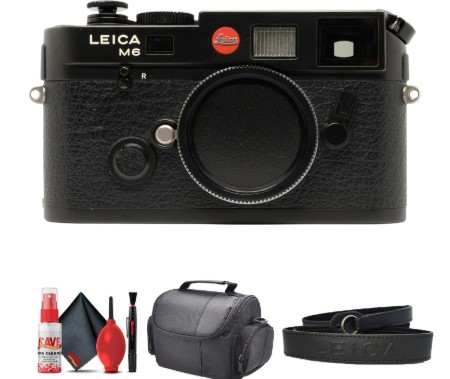
Do you want to buy the best vintage rangefinder cameras for an authentic 35mm film photography experience? I have put together this guide to help you discover vintage rangefinders that combine precise focusing, quality optics, reliable mechanical controls, compact designs, and distinctive classic character.
Whether you are a collector, an experienced film photographer, or someone returning to analog photography, these cameras offer a tactile shooting experience that modern digital cameras cannot easily replicate.
I will cover the key features that matter, highlight my top picks and their strengths, provide a practical buying guide to help you choose the right camera, and answer common questions in the FAQs.
See summary of the best vintage rangefinder cameras
- Leica M6 35mm Rangefinder Camera: Best Premium Option
- Canon Canonet QL17 GIII 35mm Rangefinder: Best Overall
- Yashica Electro 35 Rangefinder Film Camera: Best for Automatic Exposure
- Olympus XA2 35mm Rangefinder Film Camera: Best Compact Option
- Vintage Argus C3 35mm Rangefinder Brick Camera: Best for Collectors
- 35mm Rangefinder Petri Camera: Best Budget Vintage Option
- Olympus 35 RC 35mm Rangefinder Camera: Best for Portability
7 Best Vintage Rangefinder Cameras
1) Leica M6 35mm Rangefinder Camera
Check Price in Amazon
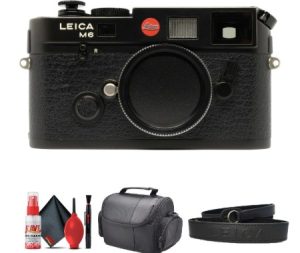
The Leica M6 is one of the best vintage rangefinder cameras for photographers who appreciate precision, durability, and classic mechanical design. Originally introduced in 1984, it became an iconic 35mm camera thanks to its refined handling, robust construction, and straightforward operation. The modern return of the M6 preserves much of the character that made the original so desirable among film photographers.
At the heart of the Leica M6 is its precise rangefinder focusing system paired with a bright 0.72x viewfinder. Six frame lines allow photographers to compose with different compatible lenses, making the camera suitable for street photography, portraits, documentary work, travel, and everyday shooting.
The camera uses fully mechanical operation, giving photographers direct control over the photographic process. Its weather sealed construction adds protection when shooting in less predictable conditions, while the solid brass top plate and abrasion resistant finish contribute to its premium build quality.
The Leica M6 also retains several recognizable design elements from the classic version, including the angled film advance lever, slanted rewind crank, black vulcanite covering, and distinctive Leica branding. These details give the camera a timeless appearance while maintaining the tactile experience that makes vintage rangefinder photography so appealing.
Overall, the Leica M6 is an exceptional choice for photographers seeking a premium vintage rangefinder. Its combination of precise focusing, mechanical reliability, bright viewing system, and legendary construction makes it a camera designed not merely to take photographs, but to make the process of shooting film deeply engaging.
Specifications
- Brand: Leica
- Model: M6
- Film format: 35mm
- Focusing: Rangefinder
- Viewfinder: 0.72x brightline with six frame lines
- Operation: Fully mechanical
- Lens mount: Leica M mount
- Weather sealing: Yes
Pros
- Excellent rangefinder focusing
- Bright 0.72x viewfinder
- Fully mechanical operation
- Exceptional build quality
- Weather sealed construction
- Six frame lines for flexible composition
- Iconic vintage design
- Excellent choice for serious film photographers
Cons
- Premium price
2) Canon Canonet QL17 GIII 35MM Rangefinder
Check Price in Amazon
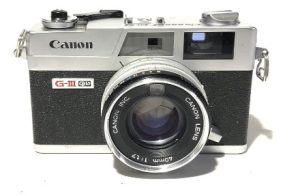
The Canon Canonet QL17 GIII is one of the best vintage rangefinder cameras for photographers who want a compact 35mm camera with classic handling and useful exposure controls. Introduced in 1972 as the third generation of the Canonet rangefinder series, it combines traditional rangefinder focusing with a fast lens and practical shooting modes, making it a strong choice for street photography, travel, portraits, and everyday film photography.
At the heart of the camera is its fixed 40mm f/1.7 lens, which is one of its biggest attractions. The fast aperture allows more light to reach the film, making the camera more capable in dim conditions while also providing greater control over depth of field. The 40mm focal length offers a natural perspective that works well for a wide range of subjects.
The QL17 GIII uses a coincidence rangefinder focusing system, allowing photographers to align the focusing images in the viewfinder for accurate results. Its viewfinder provides approximately 0.5x to 0.7x magnification, giving users a straightforward way to compose and focus while retaining the engaging experience associated with traditional rangefinder photography.
Another advantage is the choice between shutter priority and fully manual shooting. Shutter priority lets you select the shutter speed while the camera determines the appropriate aperture, while manual operation gives you greater creative control. The mechanical shutter also contributes to the camera’s dependable vintage character.
Overall, the Canon Canonet QL17 GIII remains an excellent option among vintage rangefinder cameras. Its combination of a fast lens, compact design, accurate focusing, and flexible exposure controls gives photographers a satisfying balance between convenience and hands on film photography.
Specifications
- Film format: 35mm
- Lens: 40mm f/1.7
- Focusing: Coincidence rangefinder
- Exposure modes: Shutter priority and manual
- Viewfinder: Approximately 0.5x to 0.7x
- Shutter: Mechanical
Pros
- Fast 40mm f/1.7 lens
- Accurate rangefinder focusing
- Shutter priority and manual exposure
- Compact vintage design
- Versatile focal length
- Mechanical shutter
- Excellent for street and everyday photography
Cons
- Fixed lens limits focal length flexibility
3) Yashica Electro 35 Rangefinder Film Camera
Check Price in Amazon
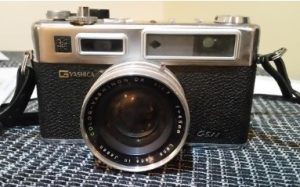
The Yashica Electro 35 is one of the best vintage rangefinder cameras for photographers who want a classic 35mm shooting experience with the convenience of automatic exposure. Its combination of a compact rangefinder body, fast lens, and straightforward operation makes it a particularly appealing choice for street photography, travel, portraits, and everyday film shooting.
At the heart of the Yashica Electro 35 is the Yashinon DX 45mm f/1.7 lens. Its wide maximum aperture allows plenty of light into the camera, making it useful in a variety of lighting conditions while giving photographers greater control over background separation. The 45mm focal length also provides a natural perspective that works well for general purpose photography.
The Yashica Electro 35 combines rangefinder focusing with automatic exposure, allowing photographers to concentrate more on composition without having to manually calculate every exposure setting. This makes it approachable for beginners while still offering the distinctive focusing experience that attracts photographers to vintage rangefinders.
Its compact design also makes the camera practical for carrying throughout the day. The combination of a fixed fast lens and 35mm film format keeps the system simple, while the included camera body and lens provide everything needed to begin shooting once the appropriate film and power source are available.
Overall, the Yashica Electro 35 is an excellent choice among vintage rangefinder cameras for photographers who want a balance between classic styling and convenient operation. Its fast lens, automatic exposure, and compact rangefinder design make it a particularly enjoyable camera for everyday film photography.
Specifications
- Brand: Yashica
- Model: Electro 35 Yashinon DX
- Film format: 35mm
- Lens: Yashinon DX 45mm f/1.7
- Focusing: Rangefinder
- Exposure: Automatic
- Included: Camera body and lens
Pros
- Fast 45mm f/1.7 lens
- Convenient automatic exposure
- Compact rangefinder design
- Natural perspective for everyday photography
- Straightforward operation
- Excellent for street and travel photography
- Classic vintage character
Cons
- Automatic exposure offers less manual control
4) Olympus XA2 35MM Rangefinder film camera
Check Price in Amazon
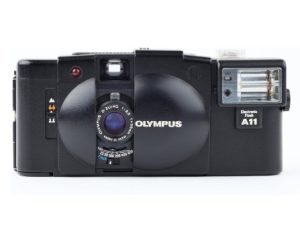
The Olympus XA2 is one of the best vintage rangefinder cameras for photographers who want a genuinely compact film camera that is easy to carry and quick to operate. Designed by Yoshihisa Maitani and produced during the 1980s, the XA2 is especially well suited to street photography, travel, and everyday shooting thanks to its pocket friendly body and protective sliding cover.
At the heart of the Olympus XA2 is its coated Olympus D.Zuiko 35mm f/3.5 lens. The four element design is built to produce sharp and contrasty images while keeping the camera remarkably small. The 35mm focal length also provides a versatile perspective for capturing people, streets, landscapes, and travel scenes without requiring interchangeable lenses.
Instead of traditional rangefinder focusing, the Olympus XA2 uses a simple three position zone focusing system. The slider offers settings for portraits, groups, and distant subjects, allowing photographers to choose an approximate focusing distance quickly. Closing the protective cover resets the camera to the middle setting, making it ready for another quick shot.
The Olympus XA2 also features programmed automatic exposure with CdS metering. Its shutter can operate from 2 seconds up to 1/750 second, while film speed settings cover ISO 25 through 800. This automatic approach reduces the need to adjust exposure manually, making the XA2 particularly approachable for photographers who want to concentrate on composition.
Another useful addition is the dedicated A11 flash, which attaches to the side of the camera and enables automatic flash operation. The Olympus XA2 accepts standard 35mm film, including color negative, black and white, and slide film, giving photographers plenty of options for experimenting with different film stocks.
Overall, the Olympus XA2 is an excellent vintage rangefinder style camera for anyone who values portability and simplicity. Its sharp 35mm lens, zone focusing, automatic exposure, protective clamshell cover, and optional flash make it an especially practical choice for spontaneous film photography.
Specifications
- Brand: Olympus
- Model: XA2
- Film format: 35mm
- Lens: D.Zuiko 35mm f/3.5
- Focusing: Three position zone focus
- Exposure: Programmed automatic
- Shutter speed: 2 seconds to 1/750 second
- Film speeds: ISO 25 to 800
- Shutter: Focal plane
Pros
- Extremely compact and pocket friendly
- Sharp 35mm D.Zuiko lens
- Simple zone focusing system
- Automatic exposure makes shooting easy
- Protective sliding lens cover
- Accepts color and black and white 35mm film
- Dedicated flash support
- Excellent for street and travel photography
Cons
- Zone focusing is less precise than a traditional coupled rangefinder
5) Vintage Argus C3 35mm Rangefinder Brick Camera
Check Price in Amazon
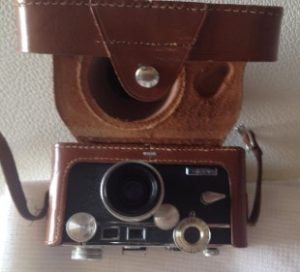
The Vintage Argus C3 is one of the best vintage rangefinder cameras for photographers and collectors who appreciate distinctive historical designs and straightforward mechanical film photography. Commonly recognized for its unusual brick like appearance, the C3 is a memorable 35mm camera that offers a very different experience from modern digital equipment.
At the heart of the Vintage Argus C3 is its traditional 35mm film system and manual exposure operation. The camera is designed for photographers who want direct involvement in the image making process, allowing them to work with exposure settings rather than relying on automatic controls. This makes it particularly interesting for enthusiasts learning or revisiting classic film photography techniques.
The Vintage Argus C3 is built around a full frame 35mm image format with a 3:2 aspect ratio. Its maximum focal length is listed as 35mm, giving the camera a perspective that can work well for everyday scenes, travel photography, and environmental subjects. The compact format also makes it a practical historical camera for experimenting with traditional film.
One of the most recognizable characteristics of the Vintage Argus C3 is its distinctive body design. Its substantial construction and boxy appearance have earned it the famous “Brick” nickname. That unusual styling gives it considerable collector appeal and makes it easy to distinguish from other vintage rangefinder cameras.
The Vintage Argus C3 camera is intended exclusively for 35mm film rather than digital photography, which reinforces its traditional character. While its manual controls may require more involvement than modern cameras, that hands on approach is precisely what makes the Argus C3 appealing to film enthusiasts who want a more deliberate shooting experience.
Overall, the Vintage Argus C3 is a fascinating option among vintage rangefinder cameras. Its recognizable design, manual controls, 35mm film format, and historical character make it particularly attractive to collectors and photographers who enjoy using classic cameras rather than simply displaying them.
Specifications
- Brand: Argus
- Model: C3
- Film format: 35mm
- Image format: Full frame 24 x 36mm
- Aspect ratio: 3:2
- Exposure control: Manual
- Focal length: Up to 35mm
- Photography type: Film only
Pros
- Distinctive brick like design
- Classic 35mm film experience
- Fully manual exposure control
- Strong historical character
- Interesting choice for collectors
- Hands on shooting experience
- Unique alternative to conventional vintage cameras
Cons
- Manual operation requires more experience
6) 35MM RANGEFINDER PETRI Camera
Check Price in Amazon
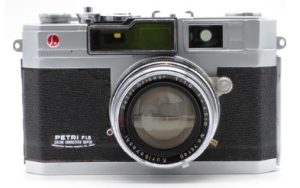
The 35mm Rangefinder Petri Camera is one of the best vintage rangefinder cameras for photographers and collectors who appreciate classic Japanese film cameras with a compact design and traditional styling. Designed for 35mm photography, it offers a straightforward way to experience the tactile process of shooting film while adding a distinctive vintage character to a camera collection.
At the heart of the Petri Camera is its compact rangefinder design, which makes it more convenient to carry than many larger vintage cameras. The rangefinder focusing system provides the traditional photographic experience of composing and focusing through an optical viewfinder, making it an interesting choice for photographers who enjoy hands on film photography.
The Petri Camera uses standard 35mm film, giving photographers the freedom to experiment with a variety of color film stocks. Its straightforward design also makes it suitable for everyday photography, particularly for users who want to explore vintage rangefinder cameras without choosing a particularly elaborate model.
Another appealing aspect is the included brown leather case. Beyond providing a classic appearance, the case offers a practical way to store and carry the camera while complementing its vintage aesthetic. The combination of the camera’s compact construction and traditional styling gives it considerable appeal among collectors.
Overall, the Petri Camera is an appealing vintage option for photographers looking for a simple and distinctive film camera. Its compact rangefinder design, 35mm compatibility, and included leather case make it an enjoyable choice for casual film photography and vintage camera collecting.
Specifications
- Brand: Petri
- Model: Petri
- Film format: 35mm
- Focusing: Rangefinder
- Design: Compact
- Included: Camera body and brown leather case
Pros
- Compact vintage design
- Traditional rangefinder focusing
- Uses widely available 35mm film
- Distinctive classic styling
- Includes a protective leather case
- Good collector appeal
- Simple film photography experience
Cons
- Vintage condition can vary considerably
7) Olympus 35 RC – 35mm Rangefinder Camera
Check Price in Amazon
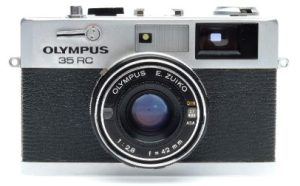
The Olympus 35 RC is one of the best vintage rangefinder cameras for photographers who want a compact 35mm camera with a practical balance of automatic exposure and traditional manual control. Its small size makes it easy to carry, while the classic rangefinder design provides a more engaging shooting experience than many basic point and shoot film cameras.
At the heart of the Olympus 35 RC is its 42mm E Zuiko lens, which provides a versatile perspective for everyday photography. The focal length sits comfortably between wider and standard viewpoints, making it suitable for street scenes, travel, portraits, and general photography. Its compact construction also makes it convenient for carrying throughout the day.
The camera features a 0.6x viewfinder and traditional rangefinder focusing, allowing photographers to compose and focus through an optical viewing system. This is particularly appealing to film enthusiasts who enjoy the deliberate process of manually framing a scene before pressing the shutter.
Another useful feature is its automatic exposure capability. This allows photographers to spend less time calculating exposure and more time concentrating on composition. The focal plane shutter complements the camera’s compact design while maintaining the classic mechanical character expected from a vintage 35mm rangefinder.
Overall, the Olympus 35 RC is an excellent choice among vintage rangefinder cameras for photographers who want portability without giving up the traditional rangefinder experience. Its compact body, versatile lens, automatic exposure, and straightforward controls make it a particularly practical option for everyday film photography.
Specifications
- Brand: Olympus
- Model: 35 RC
- Film format: 35mm
- Lens: 42mm E Zuiko
- Focusing: Rangefinder
- Viewfinder magnification: 0.6x
- Exposure: Automatic
- Shutter: Focal plane
Pros
- Compact and easy to carry
- Versatile 42mm lens
- Traditional rangefinder focusing
- Automatic exposure for convenient shooting
- 0.6x optical viewfinder
- Excellent for street and travel photography
- Classic vintage styling
Cons
- 0.6x viewfinder is less magnified than some larger rangefinders
Factors to Consider When Choosing The Best Vintage Rangefinder Cameras
Build Quality and Condition
The condition of a vintage rangefinder is often more important than its original specifications. Check the shutter, film advance, rewind mechanism, viewfinder, rangefinder alignment, lens mount, and body for signs of damage or neglect. A well maintained camera can provide years of enjoyable shooting, while a poorly stored example may require significant servicing before it becomes reliable.
Rangefinder Focusing System
A good rangefinder should provide a clear and responsive focusing patch that makes it easy to achieve accurate focus. Viewfinder brightness and magnification also affect the shooting experience. Some cameras offer multiple magnification settings, while others use simpler focusing arrangements. Consider how easily you can see and align the rangefinder, particularly if you plan to photograph moving subjects or work in lower light.
Lens Quality and Compatibility
The lens has a major influence on the images a vintage camera can produce. Look for a lens with good optical condition, a useful focal length, and an aperture suited to your photography. Interchangeable lens cameras offer greater flexibility, while fixed lens models can be simpler and more portable. Inspect older lenses for haze, fungus, scratches, and problems with the aperture or focusing mechanism.
Exposure Control
Consider whether you prefer automatic exposure, manual control, or a combination of both. Automatic systems can make shooting faster and easier, while manual controls give experienced photographers greater creative freedom. Vintage exposure meters can also deteriorate over time, so a camera with a non functioning meter may require an external light meter or another method of determining exposure.
Shutter Performance
The shutter should be inspected carefully because it is one of the most important mechanical components. Check whether the available speeds operate correctly and whether the shutter curtains are clean and undamaged. A broad shutter speed range provides greater flexibility for both bright outdoor conditions and slower exposures, while a reliable mechanism reduces the risk of inconsistent results.
Film Compatibility and Handling
Most vintage rangefinders use standard 35mm film, but the loading and transport systems can differ considerably. Some cameras use convenient lever advances, while older designs may require more manual steps. Consider how comfortable you are with loading film, advancing frames, rewinding, and resetting the frame counter. Compatibility with readily available film stocks is also important for regular use.
Size and Portability
A camera that is comfortable to carry is more likely to be used regularly. Compact rangefinders are particularly attractive for street photography, travel, and everyday shooting, while larger bodies can provide a more substantial grip and potentially more robust construction. Consider the camera body together with its lens and accessories rather than judging portability from the body alone.
Availability of Parts and Servicing
Vintage cameras can require maintenance even when they appear to be in good condition. Before buying, consider whether technicians can service the shutter, rangefinder, exposure meter, and film transport system. Replacement parts can be difficult to find for obscure models, so choosing a camera with an established repair community can make long term ownership considerably easier.
Best Vintage Rangefinder Cameras FAQs
Are vintage rangefinder cameras good for beginners?
Yes, although the best choice depends on how much manual control you want. Cameras with automatic exposure can provide a gentler introduction to film photography, while fully manual models are excellent for learning exposure, focusing, and composition. Beginners should prioritize a camera with a reliable rangefinder and straightforward controls.
Do vintage rangefinder cameras use standard 35mm film?
Many vintage rangefinders use standard 35mm film, which is widely available in both color and black and white varieties. However, it is always worth checking the specific camera before purchasing film, particularly when dealing with unusual or very old models.
Are vintage rangefinder cameras reliable?
They can be remarkably reliable when properly maintained, but age needs to be taken into account. Shutters, light seals, rangefinder mechanisms, exposure meters, and film transport components can deteriorate after decades of use or storage. A recently serviced camera is generally a safer choice than one sold purely on appearance.
Why are vintage rangefinder cameras popular today?
They combine a distinctive photographic experience with compact designs, optical viewfinders, mechanical controls, and characterful lenses. Unlike modern digital cameras, they encourage photographers to slow down, compose deliberately, and become more involved with every exposure. Their historical designs also give them an appeal that extends beyond photography into collecting and craftsmanship.
Conclusion
The best vintage rangefinder cameras turn ordinary film photography into something far more deliberate. They bring together precision optical systems, tactile mechanical controls, distinctive lenses, and the unmistakable experience of exposing a physical frame of film.
Some excel through portability, others through sophisticated focusing or exposure systems, but their common strength is the sense of involvement they give the photographer. Instead of overwhelming you with menus and automation, they encourage you to look carefully, focus precisely, and make each frame count.
That combination of character, craftsmanship, and hands on photography is what keeps vintage rangefinders relevant long after their original era has passed.
See Also: