Looking for the best compact binoculars for bird watching that won’t slow you down in the field? I’ve found that compact options are perfect when you want something lightweight, easy to carry, and ready to use at a moment’s notice.
They fit into small bags or even large pockets, making them ideal for quick outings, travel, or long hikes where every bit of weight matters.
In this guide, I’ll walk you through the best compact options available, show you what each one does best, and help you choose a pair that fits your birding style.
Summary of the best compact binoculars for bird watching I reviewed:
- Zeiss Terra ED Pocket 8×25: best overall
- Leica Ultravid BR 10×25: best premium option
- Nikon Aculon T02 10×21: best lightweight travel option
- Celestron UpClose G2 16×32: best long range compact
- Decathlon 8×25 Focus Free Binoculars: best budget
5 Best Compact Binoculars For Bird Watching
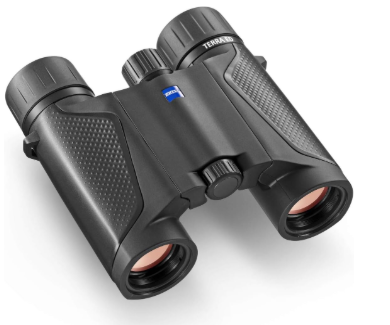
1) Zeiss Terra ED Pocket 8×25

Check Price in Amazon
The Zeiss Terra ED Pocket 8×25 stands out as one of the most practical compact binoculars for bird watching, especially for those who value portability without giving up optical performance. Built with 8x magnification and a 25 mm objective lens, it delivers a balanced viewing experience that works well for tracking birds in forests, wetlands, or open landscapes. Its folding design and lightweight build of about 310 grams make it easy to carry during long walks or travel, fitting comfortably into a small bag or jacket pocket.
In terms of image quality, this model benefits from ED glass and Zeiss multi coating technology, which help produce bright, high contrast images with accurate color reproduction. With light transmission around 88 percent, it performs well in daylight and remains usable in slightly dim conditions compared to many compact alternatives. Bird watchers will find it capable of revealing fine details such as feather patterns and subtle color variations, which are essential for accurate identification.
Handling is another strong point. The binoculars feature a smooth, well positioned focus wheel that allows quick adjustments when birds move unpredictably. The ergonomic design ensures comfortable grip and intuitive use, especially in fast paced situations. With a close focus distance of about 1.6 meters, it also performs well for observing nearby subjects like perched birds or insects.
Durability is well addressed with a rugged, waterproof, and nitrogen filled construction. This design helps prevent internal fogging and allows the binoculars to perform reliably in changing weather conditions. The hydrophobic coating further enhances usability by repelling water and maintaining a clear view even in rain or влаж environments. Despite its compact size, it feels sturdy enough for regular outdoor use.
From a real world birding perspective, the viewing experience is bright and sharp for a compact model, with a field of view of about 119 meters at 1000 meters. While it may not match the optical refinement of high end premium binoculars, it delivers consistent and satisfying performance for casual and intermediate birders.
Pros
- Clear and bright image with good color accuracy
- Lightweight and highly portable for travel and long walks
- Fast and smooth focusing for tracking moving birds
- Durable waterproof and fogproof construction
- Comfortable ergonomics and easy handling
Cons
- Not as sharp as top tier premium binoculars
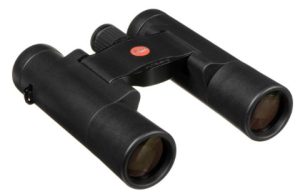
2) Leica Ultravid BR 10×25
Check Price in Amazon
The Leica Ultravid BR 10×25 is widely regarded as one of the finest compact binoculars for bird watching, offering a premium blend of optical precision and portability. With 10x magnification and a 25 mm objective lens, it is designed for birders who want to observe distant subjects with greater detail while still carrying a lightweight and pocket friendly device. Its compact folding design allows it to fit easily into a jacket or small bag, making it ideal for travel, hikes, and spontaneous birding sessions.
Image quality is where this binocular truly excels. It uses high quality optics including phase corrected roof prisms and fully multi coated lenses to produce bright, sharp, and color accurate images. The inclusion of Leica’s HighLux system and specialized coatings enhances light transmission and contrast, allowing bird watchers to distinguish fine details such as feather textures and subtle color variations. Even compared to many binoculars of similar size, the image appears noticeably crisp with excellent control of glare and stray light.
Handling and usability are equally refined. The focus wheel is smooth and precise, making it easy to quickly lock onto moving birds. The ergonomic design, combined with a lightweight aluminum chassis and rubber armoring, ensures a secure and comfortable grip in different weather conditions. The double hinge design allows the binoculars to fold down compactly, while still maintaining stability during use. With about 15 mm of eye relief and adjustable eyecups, it remains comfortable for extended viewing sessions.
Durability is a strong point of the Ultravid series. The binoculars are nitrogen filled and sealed to be waterproof and fogproof, capable of handling rain, humidity, and temperature changes without performance issues. The AquaDura coating helps repel water, dust, and fingerprints, ensuring that the lenses stay clear even in challenging outdoor conditions. This level of build quality makes it a reliable option for serious birders who often venture into unpredictable environments.
In real world bird watching, the 10x magnification provides excellent reach for spotting birds at a distance, while the field of view of around 90 meters at 1000 meters remains usable for tracking movement. However, like most compact binoculars with higher magnification, it sacrifices some brightness and ease of viewing compared to larger models, especially in low light conditions.
Pros
- Exceptional image sharpness and contrast for a compact binocular
- Premium build quality with durable waterproof construction
- Lightweight and highly portable design
- Powerful 10x magnification for distant bird observation
- Smooth and precise focusing mechanism
Cons
- Lower brightness in low light due to small objective lenses
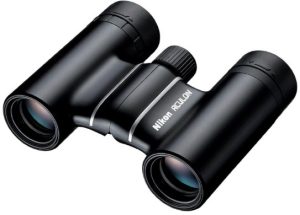
3) Nikon Aculon T02 10×21
Check Price in Amazon
The Nikon Aculon T02 10×21 is one of the most compact and lightweight binoculars available, making it a convenient option for bird watchers who prioritize portability above all else. With 10x magnification and a 21 mm objective lens, it provides a closer view of distant birds while maintaining an ultra slim profile. Weighing just about 195 grams, it is small enough to fit in the palm of your hand or slip into a pocket, making it ideal for travel, casual walks, or spontaneous birding moments.
In terms of optical performance, the binoculars use multilayer coated lenses and eco friendly glass to deliver a bright and reasonably clear image for their size. Colors appear natural, and contrast is good in well lit conditions, which is where this model performs best. However, with a smaller 21 mm lens and an exit pupil of 2.1 mm, brightness drops in low light situations such as early morning or dusk, which is a common limitation among ultra compact binoculars.
Handling is simple and user friendly. The binoculars feature a central focusing system with a relatively large focus wheel for their size, allowing smooth and quick adjustments when tracking birds. The turn and slide rubber eyecups help position your eyes comfortably, although the shorter eye relief may feel less accommodating for users who wear glasses. The slim, single hinge design also contributes to a clean and modern look while keeping the structure easy to handle.
From a bird watching perspective, the 10x magnification gives you extra reach compared to typical 8x compact models, which can be useful for spotting birds at a distance. However, this comes with a narrower field of view of about 87 meters at 1000 meters, and a bit more sensitivity to hand shake. In practice, this means it works best for steady viewing in open areas rather than fast tracking of birds in dense environments.
Durability is decent for its class, with a lightweight but reasonably robust construction. While it is built to handle everyday use, it lacks full waterproofing, so extra care is needed in wet or humid conditions. This reinforces its role as a casual, travel friendly binocular rather than a rugged field tool.
Pros
- Very compact and lightweight for easy portability
- Powerful 10x magnification for distant viewing
- Bright and clear image in good lighting conditions
- Simple and smooth focusing system
- Stylish and easy to handle design
Cons
- More noticeable hand shake at higher magnification
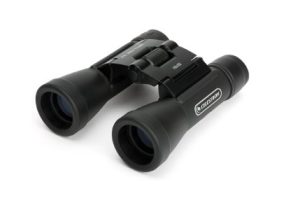
4) Celestron UpClose G2 16×32
Check Price in Amazon
The Celestron UpClose G2 16×32 is built for bird watchers who want maximum magnification in a compact and budget friendly package. With a powerful 16x magnification paired with 32 mm objective lenses, it brings distant birds significantly closer, making it especially useful for open landscapes, coastal birding, or spotting wildlife across large distances. Despite this high power, it remains relatively compact and lightweight at around 369 grams, making it easy to carry on hikes or travel outings.
In terms of optical performance, the binocular uses multi coated lenses and BK7 prism glass to improve light transmission and deliver a reasonably bright image in good lighting conditions. The higher magnification allows for impressive close up views of distant subjects, which can be helpful when observing birds that are far away or difficult to approach. However, this design comes with trade offs. The image tends to have moderate contrast and less vibrancy compared to higher end binoculars, and performance drops noticeably in low light situations.
Handling is practical and straightforward. The rubber armored body provides a secure grip and helps protect the binoculars from minor bumps during outdoor use. The compact roof prism design keeps the shape slim and easy to handle, while rubber eyecups make viewing comfortable for both glasses wearers and non glasses users. The central focus system allows for basic adjustments, though the relatively long close focus distance of about 8 meters means it is not ideal for observing nearby birds.
From a bird watching perspective, the 16x magnification is both a strength and a limitation. It provides excellent reach for distant observation, but it also results in a narrower field of view of about 62 meters at 1000 meters and makes the image more sensitive to hand movement. This means it works best for steady viewing in open environments rather than tracking fast moving birds at close range.
Durability is solid for its price range. The binocular features a rugged, rubber coated body and is water resistant, which allows it to handle light outdoor conditions. However, it is not fully waterproof or nitrogen filled, so it may not perform as reliably in heavy rain or extreme environments.
Pros
- High 16x magnification for long distance bird watching
- Compact and relatively lightweight for its power
- Affordable and accessible for beginners
- Durable rubber armored body for everyday use
- Multi coated lenses improve brightness in daylight
Cons
- Image quality lacks contrast and sharpness compared to premium models
5) Decathlon 8×25 Focus-Free Binoculars
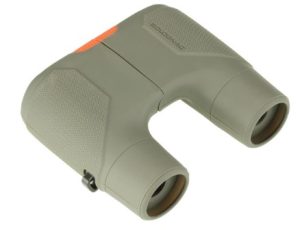
Check Price in Amazon
The Decathlon 8×25 Focus-Free Binoculars are designed with simplicity and accessibility in mind, making them a practical choice for beginners and casual bird watchers. With 8x magnification and a compact 25 mm objective lens, they bring distant subjects closer while maintaining a lightweight and highly portable form. Weighing only about 202 grams, they are easy to carry on hikes, walks, or quick birding outings, and can fit comfortably into a pocket or small bag.
One of the defining characteristics of this model is its fixed focus design. Unlike traditional binoculars, there is no need to adjust focus or diopter settings. This means users can simply lift the binoculars and start observing instantly, which is especially useful for beginners or situations where speed matters. This design also makes them suitable for shared use among family members, since there is no need to recalibrate settings for different users.
In terms of optical performance, these binoculars offer decent clarity for daytime viewing. The fully coated lenses help improve light transmission and provide a reasonably bright image under good lighting conditions. With a field of view of about 108 meters at 1000 meters, users get a fairly wide viewing window for spotting birds and following their movement across open areas. However, because of the fixed focus system and compact lens size, the image is best suited for mid to long distance observation rather than close range detail work.
Handling is straightforward and user friendly. The lightweight build reduces fatigue during extended use, and the simple design eliminates the learning curve often associated with traditional binoculars. A neck strap is included, adding convenience for carrying them during outdoor activities. While the plastic construction keeps the weight low, it also means the overall feel is less premium compared to higher end compact binoculars.
In real world bird watching, these binoculars perform best in bright daylight and for general wildlife spotting. They are not designed for close focus use, with a minimum observation distance of around 15 meters, which limits their ability to capture nearby birds or fine details. Still, for casual use and quick viewing, they provide a hassle free experience that many users will appreciate.
Pros
- Very easy to use with no focusing required
- Lightweight and highly portable design
- Affordable and beginner friendly
- Wide field of view for general observation
- Suitable for shared use without adjustments
Cons
- Lower performance in low light conditions
Factors to Consider When Choosing The Best Compact Binoculars For Bird Watching
Magnification
Magnification determines how close distant birds appear, and it plays a major role in overall usability. Compact binoculars typically offer 8x or 10x magnification, with each having its advantages. Lower magnification provides a steadier image and a wider field of view, which helps when tracking moving birds. Higher magnification brings subjects closer but can make the image less stable and harder to follow without steady hands.
Objective Lens Size
The size of the objective lens affects how much light enters the binoculars, influencing brightness and clarity. Compact models usually feature lenses around 20 mm to 25 mm, which keeps them lightweight and portable. While smaller lenses are convenient, they do limit low light performance, meaning these binoculars perform best in daylight rather than early morning or dusk conditions.
Optical Quality
Optical quality is essential for clear and detailed viewing. Features such as high quality glass, lens coatings, and prism design all contribute to image sharpness, contrast, and color accuracy. Good optics allow bird watchers to distinguish fine details like feather patterns and subtle color differences, which are important for accurate identification in the field.
Field of View
Field of view refers to how wide an area you can see through the binoculars at a given distance. A wider field of view makes it easier to locate birds and track their movement, especially in dense environments or when birds are flying. Compact binoculars tend to have a narrower field of view than full sized models, so finding a balance between magnification and viewing width is important.
Weight and Portability
One of the main advantages of compact binoculars is their portability. Lightweight designs reduce fatigue during long birding sessions and make it easier to carry them on hikes or trips. A compact folding design also allows them to fit into small bags or pockets, making them ideal for bird watchers who are always on the move.
Focus System and Ease of Use
The focus mechanism affects how quickly and easily you can adjust the image. A smooth and responsive focus wheel allows you to quickly bring birds into sharp view as they move. Some compact binoculars also use fixed focus systems, which eliminate the need for adjustments but may reduce precision. Ease of use is especially important for beginners or fast paced birding situations.
Durability and Weather Resistance
Bird watching often takes place in unpredictable outdoor conditions, so durability matters. Features such as waterproofing, fog resistance, and rubber armoring help protect binoculars from rain, dust, and accidental drops. A well built pair ensures reliable performance over time, even in challenging environments like wetlands or forests.
Comfort and Ergonomics
Comfort plays a significant role in the overall birding experience. Ergonomic design, comfortable eyecups, and adequate eye relief all contribute to ease of use during extended viewing sessions. Binoculars that feel secure in your hands and provide a natural viewing position reduce strain and make it easier to enjoy observing birds for longer periods.
Best Compact Binoculars For Bird Watching FAQs
Are compact binoculars good enough for serious bird watching?
Compact binoculars can be very effective for bird watching, especially for those who prioritize portability and convenience. While they may not match the brightness and edge to edge clarity of full sized models, many modern compact options offer excellent sharpness and color accuracy in daylight. They are particularly well suited for travel, casual birding, and long walks where carrying heavier gear would be less practical.
What magnification is best for compact binoculars?
Magnification in the range of 8x to 10x is generally ideal for compact binoculars used in bird watching. An 8x magnification provides a wider field of view and a steadier image, making it easier to track moving birds. A 10x option offers more detail at a distance but may require steadier hands and can feel slightly less stable during extended use.
Do compact binoculars work well in low light conditions?
Compact binoculars are typically less effective in low light compared to larger models because of their smaller objective lenses. They perform best in bright daylight, such as mid morning or afternoon birding sessions. In early morning, dusk, or heavily shaded areas, the image may appear dimmer, which can make it harder to see fine details.
Are focus-free binoculars a good choice for bird watching?
Focus free binoculars can be convenient because they allow instant viewing without adjustments, making them easy to use for beginners or casual users. However, they are less precise than traditional focusing binoculars and may struggle with subjects at varying distances. For more accurate and detailed bird observation, especially at close range, adjustable focus binoculars are usually the better choice.
Conclusion
Compact binoculars for bird watching prove that you don’t need bulky gear to enjoy meaningful encounters with wildlife. They bring a sense of freedom to birding, allowing you to move lightly through trails, react quickly to sudden sightings, and stay immersed in the moment without being weighed down.
What makes them truly appealing is how they combine convenience with surprisingly capable performance, delivering clear, engaging views that make each observation feel immediate and rewarding.
Whether tucked into a pocket or carried all day without effort, they invite spontaneity and turn even the simplest outing into an opportunity to notice more, see more, and connect more deeply with the natural world.
See Also: